
About the master
What to expect?
A transdisciplinary program
What does it mean and how does it work?
A transdisciplinary program is a problem-centered program, aiming at integrating knowledge from multiple disciplines and using co-creating knowledge approach by integrating different stakeholders and communities in the process.
We strongly believe that climate crisis calls for complex solutions. Therefore, there is the need for a deep understanding of this phenomenon. Social, economic, political factors are intertwining along the process of understanding how we ended up here and what are we to do in order to prevent future generations from sharing the same (or even deeper) crisis. The main features of transdisciplinary approach are that are problem centered, transgresses different areas of science and has a collaborative approach beyond academia.
Transdisciplinary approach implies knowledge from all across science (humanities, natural and social). Without mastering all of these domains, we need to have a basic vocabulary and a minimum understanding of the phenomenon from all these fields of knowledge. What is more, climate crisis requires system knowledge, which is incomplete without involving different stakeholders (public administration, politicians, NGOs, corporate individuals, citizens). It requires dialogue and co-creation of knowledge with communities both affected and with complementary expertise.
University of Bucharest proposes three different transdisciplinary master programs centered on climate crisis. Faculty of Philosophy coordinates the program Environmental Humanities, Faculty of Biology coordinates the program Nature-Centred Approach to Sustainability and we, Faculty of Sociology and Social Work, are coordinating the master Cross-Disciplinary Perspectives on Socio-Ecological Transformations. These master programs meet in first semester to provide a highly transdisciplinary content, as to offer the opportunity for a community of students to be formed. The rest of the program will follow mainly their field of research.
For the master that we are coordinating, we are offering classes developed by four different faculties within University of Bucharest (our Faculty, Sociology and Social Work, Faculty of Administration and Bussines, Faculty of Political Science and Faculty of Journalism and Communication Studies).
the practicalities of this master
Some (unasked) questions and their answers
What are the classes that our program offers?
You can find details on the classes offered (including syllabi for each of the classes) on our faculty website (here). The first semester is dedicated to developing a trandisciplinary understanding of climate crisis, therefore you are going to participate in classes that explain this phenomenon from the point of view of natural science, humanities and social sciences. The classes are introductory, therefore there is no need for prior in-depth knowledge.
If there are classes offered by several faculties, where are you going to study?
For the first semester you are going to have all your classes in the same building. For the rest of the semesters you are going to join each of the faculties that are offering the classes. The schedule will be designed in such a way that you will not have to switch buildings in the same day (all the faculties have their buildings in central areas of Bucharest, with easy access by public transportation). This is a great opportunity to experience students' life and organizational cultures from all the faculties involved in the program.
What job perspectives does this master have?
Climate crisis is generating more and more need of expertise in all sort of fields. There is a huge pressure towards responsibility and public policies aiming at both adjustment of the communities to the current situation and actions to build better future(s) for the next generations. Therefore, there is a high need of expertise within governmental agencies (regional, european, national and local). The General City Hall, for example, named this year an officer for climate neutrality as a reminder of the fact that this is an urgent need for the local community to respond cu climate crisis. Another area in which your future expertise is needed is within corporations that have corporate social responsibility departments. In order to enhance and improve their work, there is a constant need of employees that have an in-depth understanding of the phenomenon of climate crisis and all its social, economic and politic implications. You can also work within non-governmental organizations, in order to advocate for public policies in the area of climate crisis or to support local communities to participate in the process of designing public policies relevant to the quality of air, just transition, access to clean water, etc.
Which is the Faculty that you will graduate if there are several faculties involved?
If you join the master that is built on social science perspective on climate crisis (Cross-Disciplinary Perspective on Socio-Ecological Transformations) you need to participate in the admission process from our Faculty (Sociology and Social Work) and you will graduate within this Faculty.
If the program is in English, all the classes will be in English?
Yes. The whole content discussed, read, taught will be in English. What is more, the essay that you will submit for your admission in the program, the oral exam and your final dissertation - all these will be in English. There is no need to certify your level in English with diplomas/certificates, but you need to pass the oral examination in English.
How will the students develop their skills of working with and in communities?
In the first semester we are offering a special course dedicated to methods and tools of co-creating knowledge with communities. Bearing in mind that we will develop partnerships with relevant stakeholders, we are going to work alongside different actors in order to develop a dissertation that is closely related to a problem identified by these stakeholders and that will respond to practical issues associated with climate crisis.
Meet the professors
People behind the program:
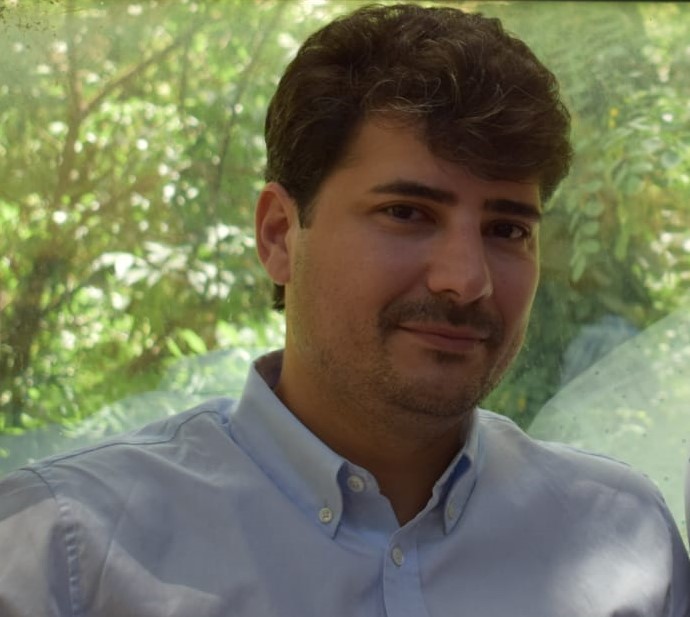
Ph. D. Paul Gabriel Sandu - The Faculty of Philosophy
Paul Gabriel Sandu is a Lecturer in the Faculty of Philosophy at the University of Bucharest and a graduate of Albert-Ludwigs-Universität Freiburg, where he completed his PhD summa cum laude. His work focuses on contemporary philosophy, phenomenology, ancient and modern thought, and the philosophy of history. He has taken part in several national research projects and is the author of numerous studies published in international journals and edited volumes.
An active translator and editor of major philosophical texts, Dr. Sandu has translated works by Edith Stein, Habermas, Sloterdijk, Adorno, Schelling, Heidegger, and Noam Chomsky. He teaches courses and seminars covering French phenomenology, Nicomachean Ethics, and the full range of Western philosophical traditions, and frequently presents his research at conferences throughout Europe.
Course: Climate, environment and energy - a humanities perspective (first semester).
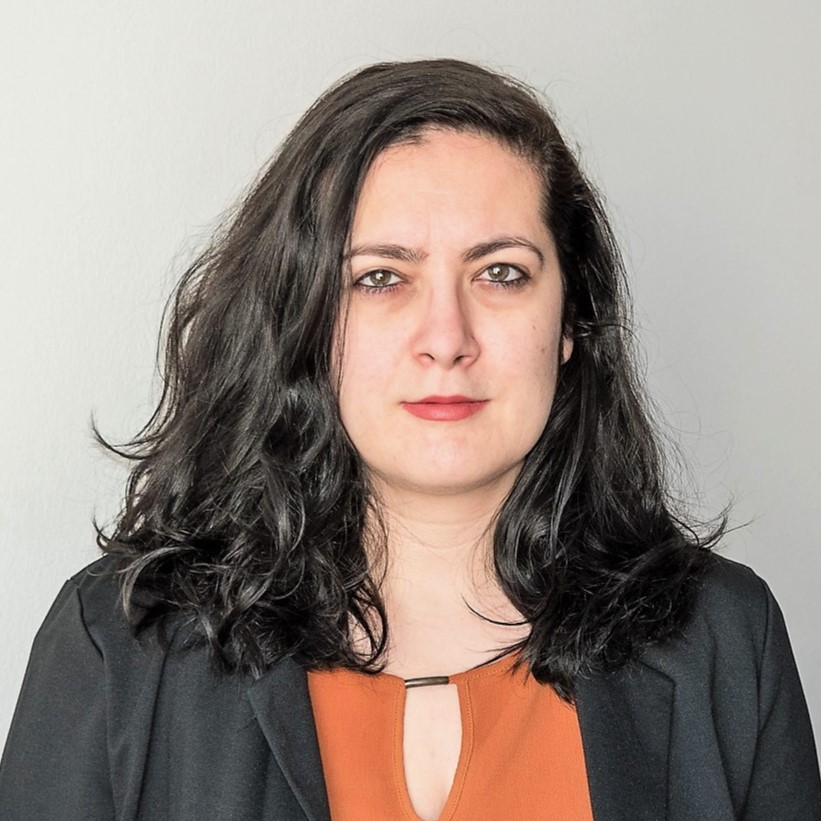
Ph. D. Anca Anton - The Faculty of Journalism and Communication Studies
Anca Anton is Associate Professor and Vice-Dean of Research at the Faculty of Journalism and Communication Sciences, University of Bucharest, Romania. Her research covers several fields: public relations, public diplomacy, GenAI, well-being, education and professionalisation in communication, sustainability communication, media CSR, digital communication. She is a member of EUPRERA, ICA, ECREA, and EMMA. In EUPRERA she co-leads the PR Education Network and is the Director of Public Relations and Administration. Her work was published in Scopus and WoS international journals, as well as in Springer, Routledge, Wiley and Emerald collective volumes.
https://orcid.org/0000-0003-0201-197X
https://scholar.google.com/citations?user=4A2HA0UAAAAJ&hl=en
Course: Sustainability Communication (third semester)
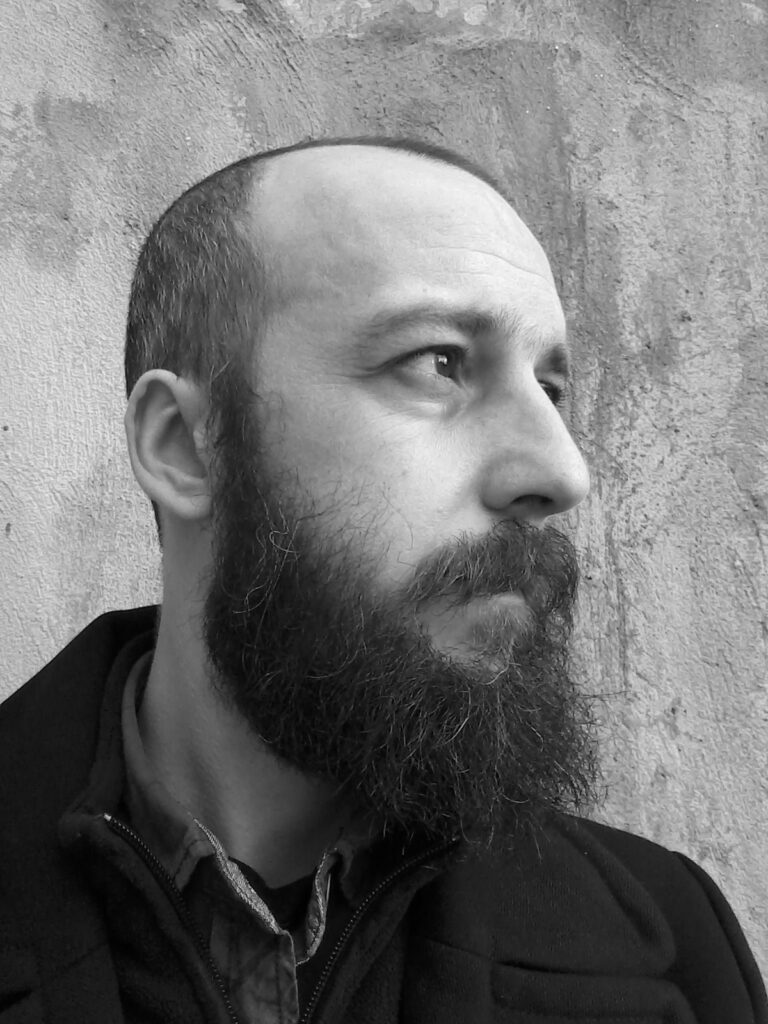
Ph. D. Alexandru Iorga - The Faculty of Sociology and Social Work
Alexandru Iorga holds a PhD in Sociology, with a thesis on the Danube Delta. He currently works at `Constantin Brăiloiu` Institute of Ethnography and Folklore, Romanian Academy, Bucharest. He is Associate Lecturer at the Faculty of Sociology and Social Work, University of Bucharest, Sociology Department, where he teaches courses (BA and MA level) on classic and political anthropology, anthropology of conservation, development and tourism, intimacy, relationships, and friendship. His research interests span a wide range of themes and topics, from the history of the social sciences and archives in Central and South-Eastern Europe to environmental issues, ecology, and heritage in Romania. He has worked extensively in rural areas, both individually and in teams (as researcher, volunteer, or/and coordinator).
https://orcid.org/0000-0001-5340-6272
Course: Climate, environment and energy - a social science perspective (first semester).
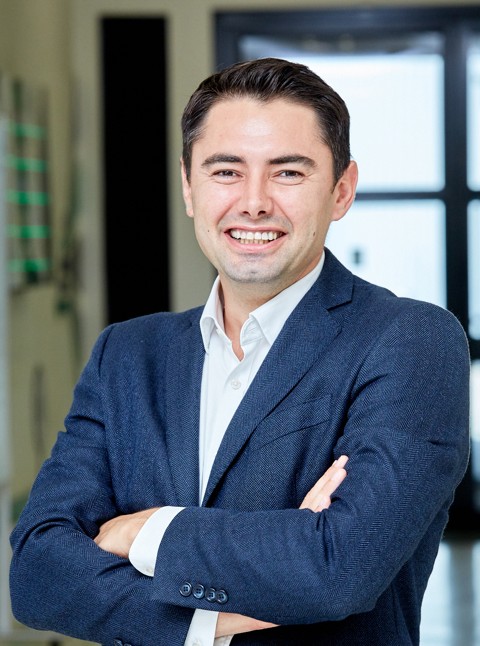
Ph. D. Cristian Anghel - The Faculty of Business and Administration
For the past four years, Cristian Anghel, PhD, has lectured on Management, Entrepreneurship, and Project Management at the University of Bucharest. His professional background—including eight years in the public sector and twelve in the corporate environment—allows him to blend theoretical concepts with practical examples, encouraging critical thinking among his students.
Course: Sustainable entrepreneurship (third semester).
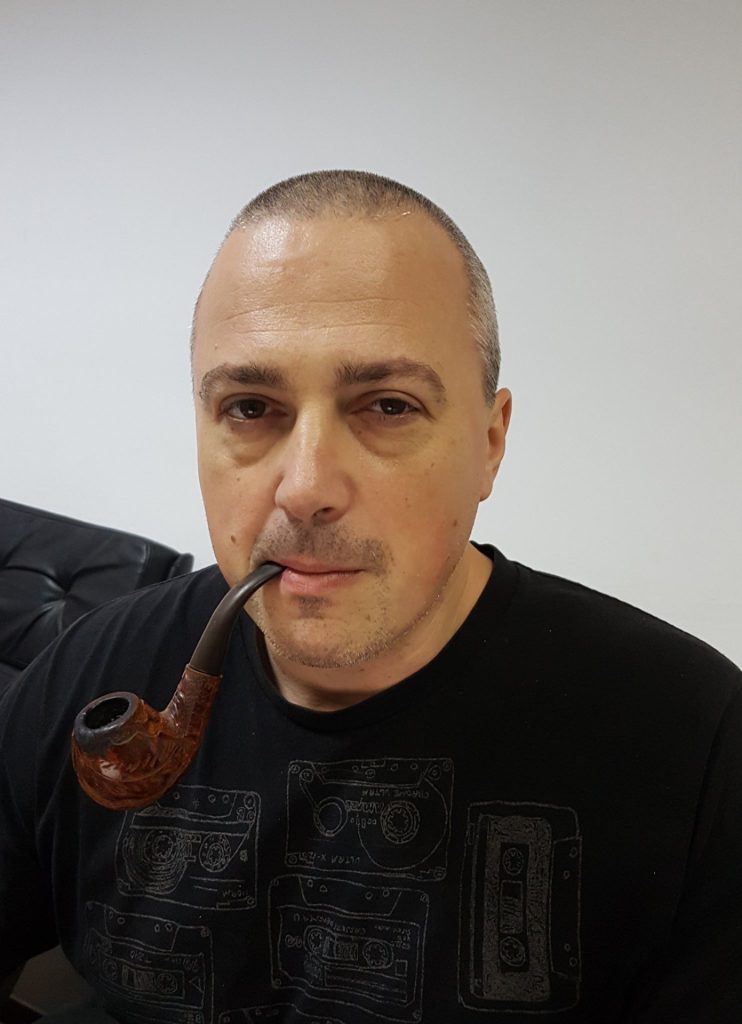
Ph. D. Călin Cotoi - The Faculty of Sociology and Social Work
He has been teaching at the Department of Sociology since 2002. He has researched and published on (1) scientific discourses and the imagination of collective identities; (2) the role of public health, medicine, and social sciences in the emergence of social modernity; and (3) the ways in which nature conservation policies have unfolded in different social, economic, and historical contexts. Research fellowships at the Center for Advanced Studies Sofia, New Europe College, Collegium Budapest, CEU-IAS, Wissenschaftskolleg zu Berlin, Woodrow Wilson Center, University College London, Oxford University, and Indiana University.
Course: Multispecies ethnography and urban nature(s) (third semester).
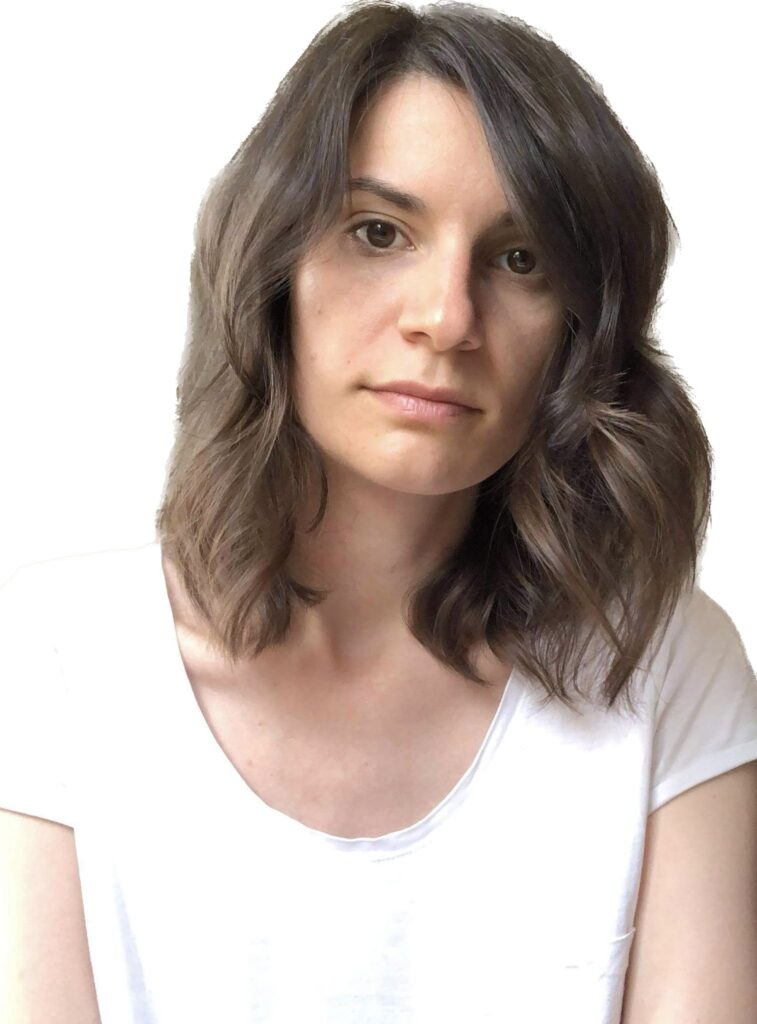
Ph. D. Magda Roșu - The Faculty of Business and Administration
Mgda Roșu îs the coordinator of the ABC Lab (Administration, Business, Communication Laboratory), an experimental and interdisciplinary laboratory based in Bucharest. Her academic activity includes teaching Game Theory, Econometrics, and Data Analysis as an Assistant Professor at the University of Bucharest (The Faculty of Business and Administration). She holds a Ph.D. in Statistics and Cybernetics and an MSc in Behavioral Economics. Her studies address public policy impact evaluation (institutional effectiveness) and understanding of citizens' aggregate decision-making processes (relevant for counteracting fake news, managing health crises, consumption behavior, collective anxiety, and governmental communication).
Course: Methods for Impact Evaluation in Environmental and Energy Research (third semester)

Ph. D. Rodia Ianole-Călin - The Faculty of Administration and Business
Dr. Rodica Ianole-Călin is a professor and vice dean responsible for scientific research and international relations at the Faculty of Administration and Business, University of Bucharest. She is co-founder and academic coordinator of the first master's program in Behavioral Economics in Romania, where she teaches behavioral and experimental economics, game theory, as well as topics related to health economics and environmental economics. She is actively involved in Horizon projects on the informal economy, examining attitudes, decisions, and behaviors related to sustainable consumption, undeclared work, and other dimensions related to individual well-being.
Course: Behavioral environmental economics (third semester).

Ph. D. Luciana Alexandra Ghica - The Faculty of Political Science
Luciana Alexandra GHICA studied Political Science and International Relations at the University of Bucharest (Bachelor of Political Science in French), Central European University (Budapest) and University of Oxford (UK). She has been teaching at FSPUB since 2004, where she has contributed to the establishment of several initiatives and programs, including the Professional Program in International Relations and European Studies (ProRISE), which later became the IDC Research Centre – Centre for Development Studies and International Cooperation, as well as the BA in International Relations and European Studies (IRES) and MA in International public Affairs (MIPA) degree programs in English, which she currently coordinates.
Full profile available here.
Course: Gastrodiplomacy and the international politics of food (second semester).
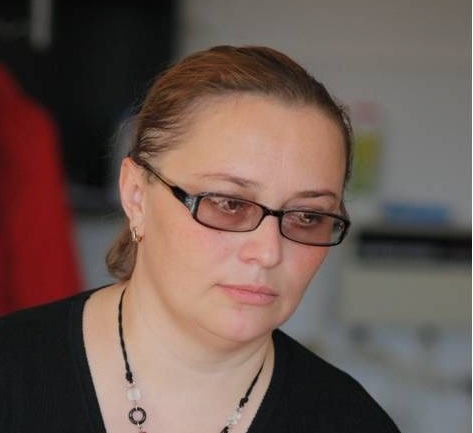
Ph. D. Delia-Laura Popescu - Faculty of Chemistry and Faculty of Interdisciplinary Studies
Dr. Delia-Laura Popescu is affiliated with the Faculty of Interdisciplinary Studies as a faculty member, and collaborates with the Faculty of Chemistry and Faculty of Psychology and Educational Sciences at the University of Bucharest (UB). She holds bachelor’s degrees in Chemistry and Economics, as well as a master’s degree in Economics, all obtained in Romania. She earned an MSc in Chemistry and a PhD in Green Chemistry and Homogeneous Catalysis from Carnegie Mellon University (CMU), Pittsburgh, PA, USA. While at CMU, she also served as a Teaching Fellow at the Eberly Center for Teaching Excellence, where she further developed her expertise in innovative and evidence-based pedagogical practices.
Dr. Popescu has extensive experience in teaching at both undergraduate and master’s levels, delivering courses in interdisciplinary studies, chemistry, didactics, and environmental education, including CIVIS programs. Her teaching practice is grounded in evidence-based pedagogy and a strong commitment to fostering inclusive, student-centered learning environments. Her current research explores the development of porous materials for environmental applications, supramolecular hybrid metal-organic materials, and coordination systems with biological properties. She is also actively involved in chemistry and environmental education, with a particular interest in making science accessible through public outreach and international educational projects. Through her integrated work in research, teaching, and community engagement, Dr. Popescu contributes to advancing the fields of chemistry, science education, and environmental education, and to shaping the next generation of scientists and educators.
Course: Climate, environment and energy - a natural science perspective and Transdisciplinary methods: Creating knowledge with communities (first semester).
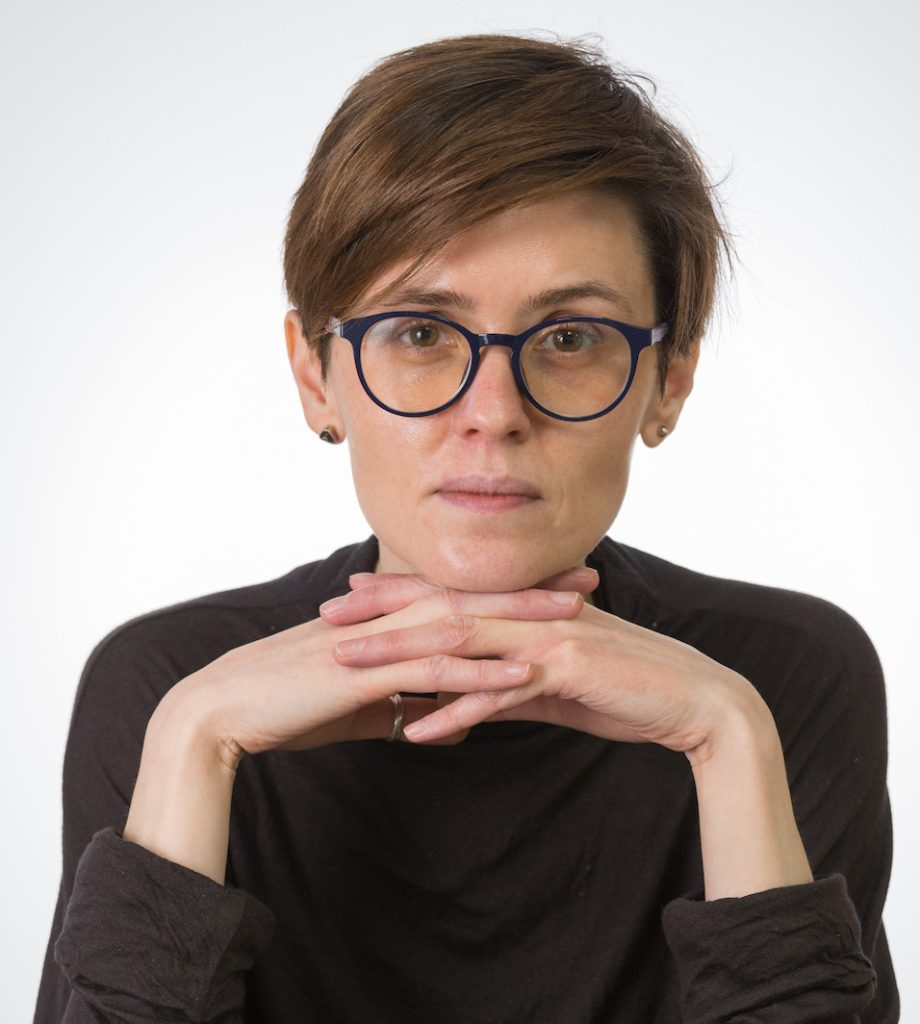
Ph. D. Irina Zamfirescu - The Faculty of Sociology and Social Work (coordinator of the master program)
Irina Zamfirescu is lecturer in the Department of Sociology. Most of her research is in the form of engaged anthropology in vulnerable communities. She is interested in social justice and, together with the communities affected by extreme poverty that she studies, she advocates for improving the quality of life of homeless people and families living in informal communities. She is also involved in research investigating coexistence practices in multi-ethnic communities.
Course: Environmental Justice (second semester)

Ph. D. candidate Ruxandra Păduraru - Faculty of Sociology and Social Work
Ruxandra Păduraru - anthropologist, PhD student at the Doctoral School of Sociology at the University of Bucharest. Research assistant in architecture at the "Ion Mincu" University of Architecture and Urbanism. She has worked on projects in applied anthropology and participatory urban planning. She researches and writes about urban infrastructure, multispecies ecologies, and the Danube Delta.
Seminar: Climate, environment and energy - a social science perspective (first semester).
did we convince you?